Spotting Rotted Trim and Deck Problems After a Wet Season
Replacing rotten wood without fixing the water that caused it just starts the clock again.
October 19, 2026 · 4 min read
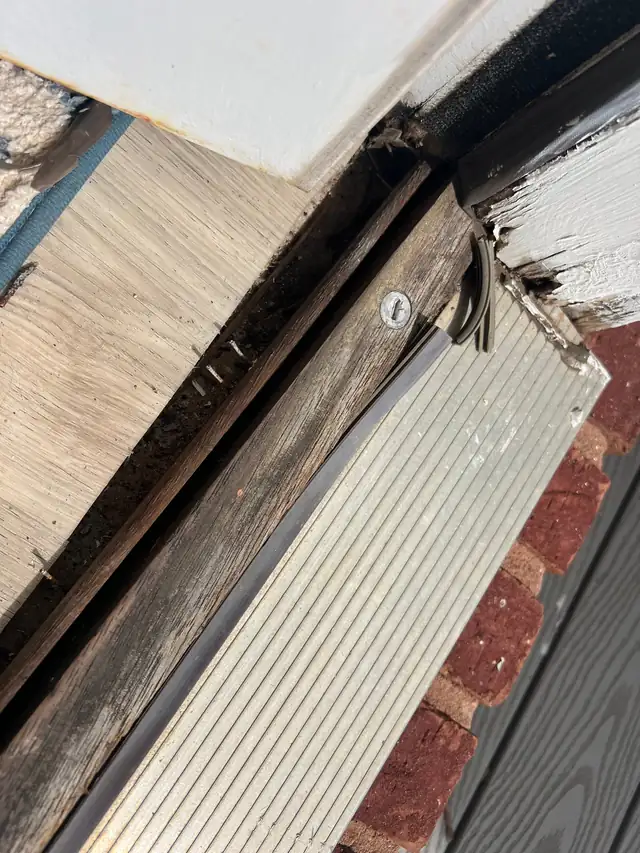
North Alabama weather is tough on wood. Long humid summers keep everything damp, spring storms soak every joint and seam, and the occasional heavy rain finds every gap in your siding and roofline. By fall, the damage that started quietly in March is starting to show. A walk around the outside of your house now can catch problems while they're still small repairs.
Do a slow walk-around
Pick a dry day and look at the house from the ground first, then up close. Binoculars help for fascia and soffit along the roofline. Look for paint that's bubbling, peeling, or cracking in lines, since moisture trapped under paint will push it off the wood. Look for dark staining, sagging, and any place where the trim has pulled away from the wall.
Then touch things. Press a screwdriver tip into suspect wood with moderate pressure. Sound wood resists. Rotted wood gives, crumbles, or feels spongy. Pay attention to the bottom edges of window and door trim, the ends of boards, and anywhere wood touches the ground or a roof surface.
The usual places rot shows up
- Fascia and soffit boards behind gutters, especially under clogged or overflowing gutters
- Window sills and the bottom corners of window and door casings
- Garage door trim and the bottom of exterior door jambs, which take splash and sit close to the ground
- Where the roof meets a wall, a spot where water often gets behind the trim
- Porch columns, posts, and rails, particularly where they meet the floor
Rot tends to start where water sits, not where it falls. A board with end grain exposed and no sealed edge will soak up water like a straw.
Deck checks that matter
A deck takes a beating from above and below. Start with the surface boards, looking for soft spots, cracks that run lengthwise, and fasteners that have worked loose or rusted. Then look at what holds everything up. Under the deck, check the ledger where it attaches to the house, the joists, the beams, and the posts. Probe the wood where the joists meet the ledger and where posts sit on footings, since those spots stay wet.
The railings and stairs deserve special attention because they carry people's weight and are easy to ignore. Grab each post and push firmly. A post that moves, a stair stringer that flexes, or a railing that wobbles is more than a cosmetic issue. Treat loose railings as a safety problem and keep people off questionable stairs until they're checked.
Also look at how the deck handles water. Leaves and debris trapped between boards hold moisture against the wood. Flashing at the house connection should keep water out of the wall, and if it's missing or damaged, water can run behind the ledger and rot the framing out of sight.
Find the water source first
This is the step people skip. Cutting out a rotten board and installing a new one feels like progress, but if the water that caused the rot is still hitting that spot, the new board will go the same way. Ask where the water is coming from.
- Gutters overflowing or pulling away from the fascia
- Roof edge or flashing letting water run behind trim
- Sprinklers spraying the wall or deck posts
- Soil or mulch piled against siding, holding moisture against the wood
- Gaps in caulk around windows, doors, and trim joints
- Downspouts that dump water at the foundation
Fix the water path first, then repair the wood. Sometimes that's as simple as a gutter adjustment and fresh caulk. Sometimes it points to a roof or flashing problem, and if a repair goes beyond handyman scope, Robbie brings in a licensed partner as needed.
Repair or replace?
Small areas of soft wood can sometimes be cut back to solid material and replaced with a matching piece. A section of fascia, a window casing, or a few deck boards is normal exterior repair work. When rot has spread into framing, like a rim joist, a post base, or a ledger, the repair becomes a structural question and deserves a closer, more careful look.
New wood should be primed on all sides, including the cut ends, and caulked and painted so water doesn't find an easy way in. Fasteners should be rated for outdoor use. Skipping these small steps is how a repair fails in two seasons.
Get it looked at before fall turns to winter
Fall is a good time for this, since the wood is drying out and a repair done now is protected before the next wet spring. If you've spotted soft trim or a deck that feels off, call or text Robbie at 256-804-5442. He serves Owens Cross Roads, Huntsville, Hampton Cove, and the surrounding area, and a few photos of the damage are a good place to start.
Robert Owens Handyman, 256-804-5442
Call 256-804-5442More articles
How to Build a Punch List That Gets Cleared in One Visit
A little prep on your side turns a scattered pile of small repairs into a single, finished visit.
Why Your Toilet Keeps Running and What Actually Fixes It
Most running toilets come down to one of two cheap parts, but a few point to something that needs a closer look.